


Responsibility
At Massimo, we strive to make more considered choices throughout our design process, balancing aesthetics, quality and responsible production. We carefully select materials – such as wool and hemp – and work closely with suppliers we have built long-term relationships with. We are developing documentation of the environmental impact of our products through CO₂ calculations using Målbar and focus on responsible production through social audits and long-standing partnerships via Amfori BSCI. We believe that the choices we make today – from material selection to transportation – shape our impact on the interiors of tomorrow.
By continuously staying mindful of the future, we grow as a company, ensuring that our journey is one of ongoing improvement. Exploring sustainability opens doors to new ideas and helps us evolve as a business. Going forward, we aim to further develop a clear approach to sustainability and gradually integrate relevant considerations into our materials, production and other areas of our work.
Our Products
As we continue to develop our approach to sustainability, Massimo is expanding our range with carefully selected materials for the creation of our rugs. Massimo continuously expands its range with natural materials such as wool, hemp and jute, considering both their qualities and relevant environmental aspects when selecting materials for our designs. We prioritize responsible sourcing and work with suppliers who meet relevant standards and certification requirements for materials and production. Our designs and craftsmanship focus on durability—both aesthetically and functionally—so our rugs can be enjoyed in homes for many years to come. We also regularly evaluate the performance and lifespan of our products to ensure they meet our high standards, through different durability test. However, it is important for us to carefully consider the materials used in our products. When developing our rugs, we consider factors such as quality, durability, material properties and production methods. We explore natural and recycled materials as part of this process, considering their specific qualities and relevant environmental aspects. Our aim is to make informed choices based on the overall characteristics and intended lifespan of each product. We continuously develop our approach based on knowledge, data and identified opportunities for improvement.
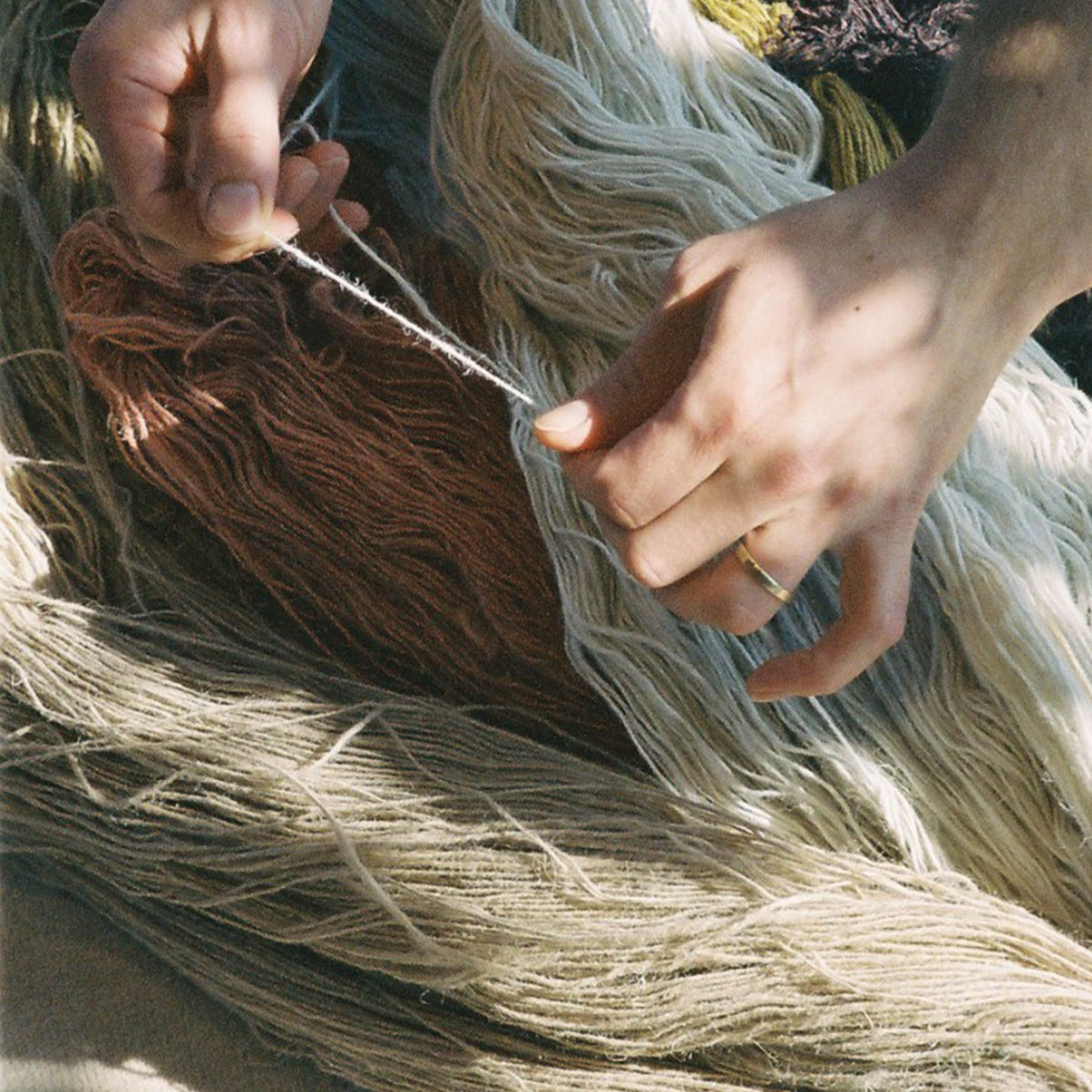
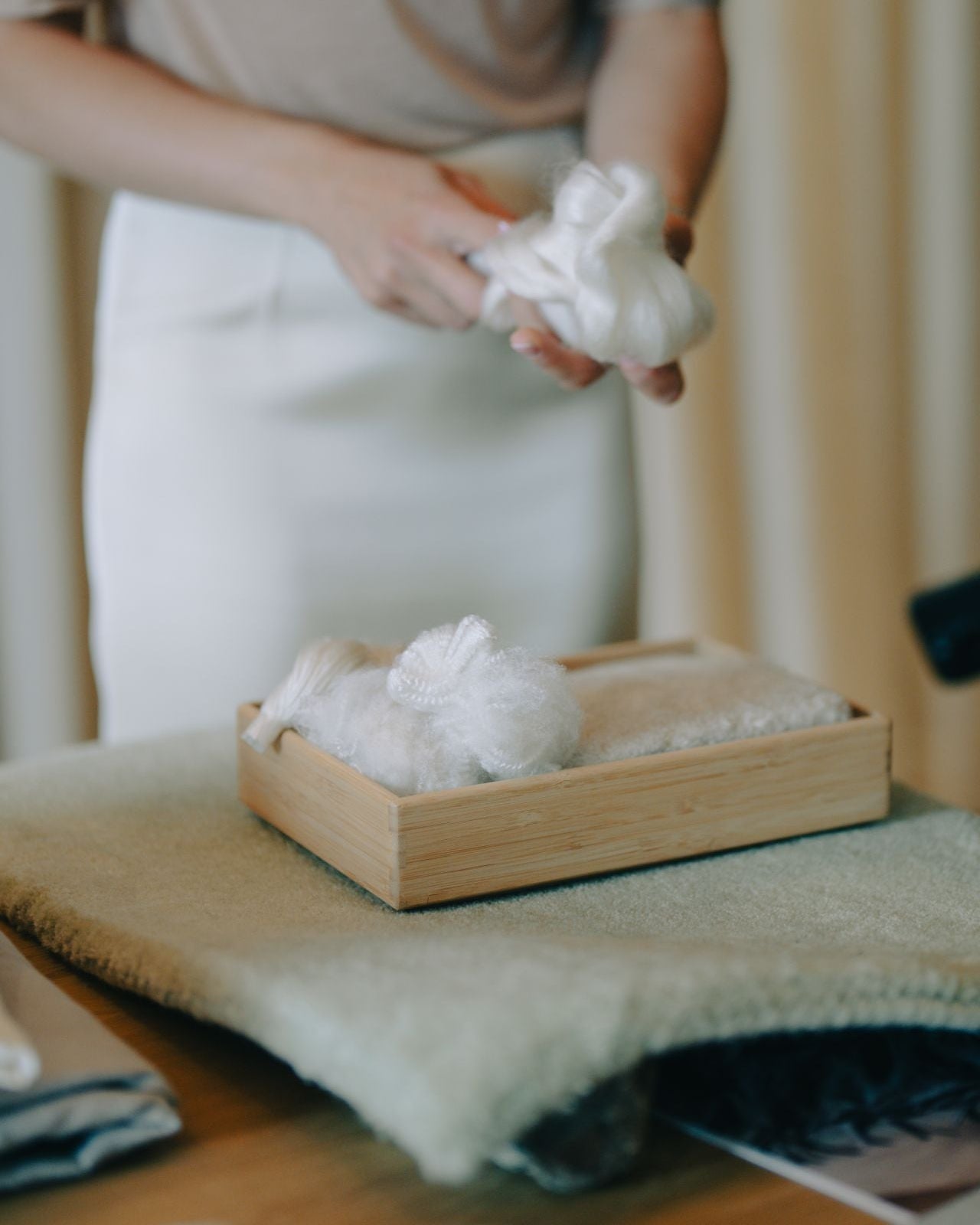
We use wool for its natural qualities, including its durability and suitability for long-lasting products. Wool is a natural animal fibre and is biodegradable under the right conditions. Where our wool products are OEKO-TEX® certified, they have been tested in accordance with the requirements and limit values of the relevant OEKO-TEX® certification for specified harmful substances.
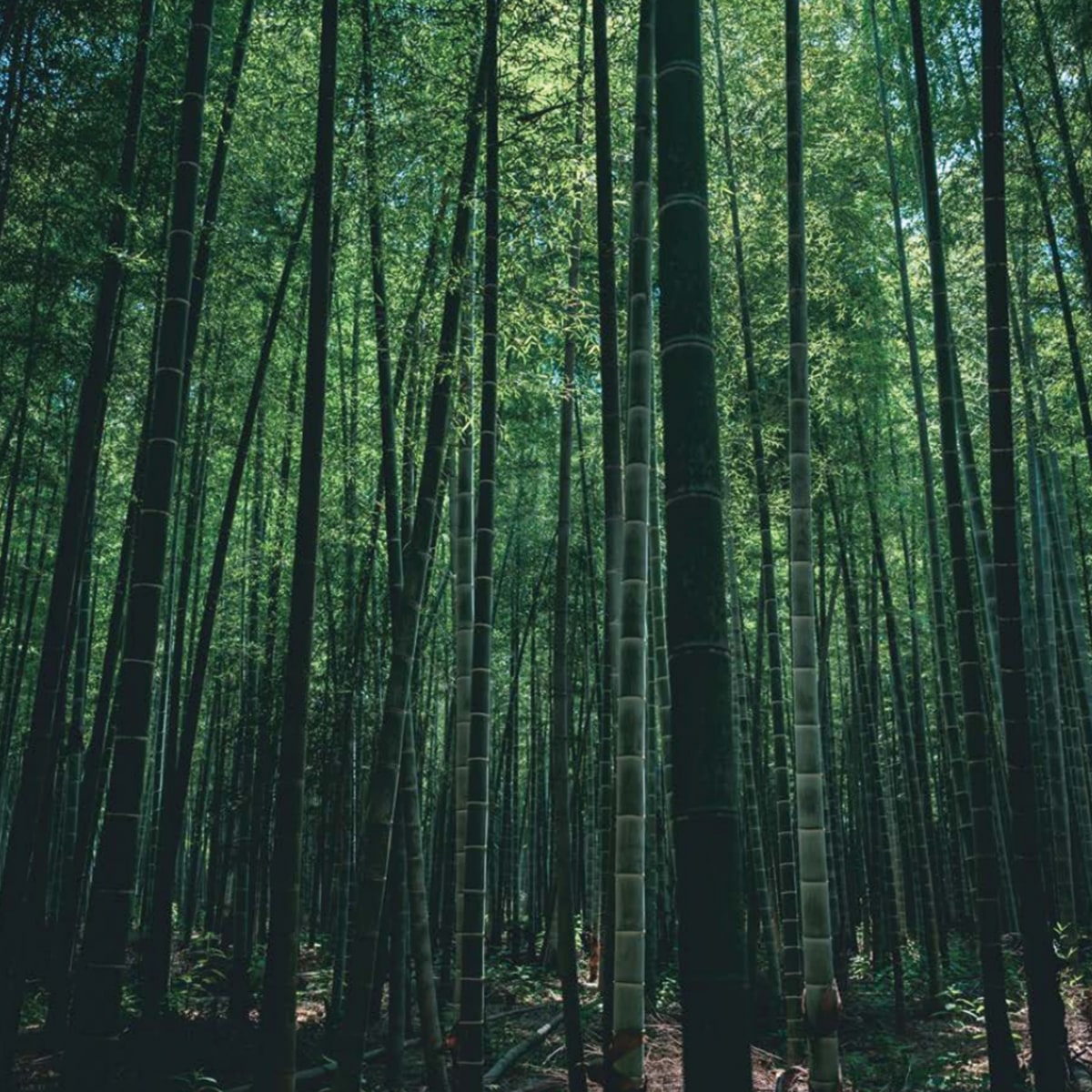
Bamboo is a unique natural plant fibre used across various collections. It represents a different approach to material selection, exploring alternatives beyond conventional fibres.
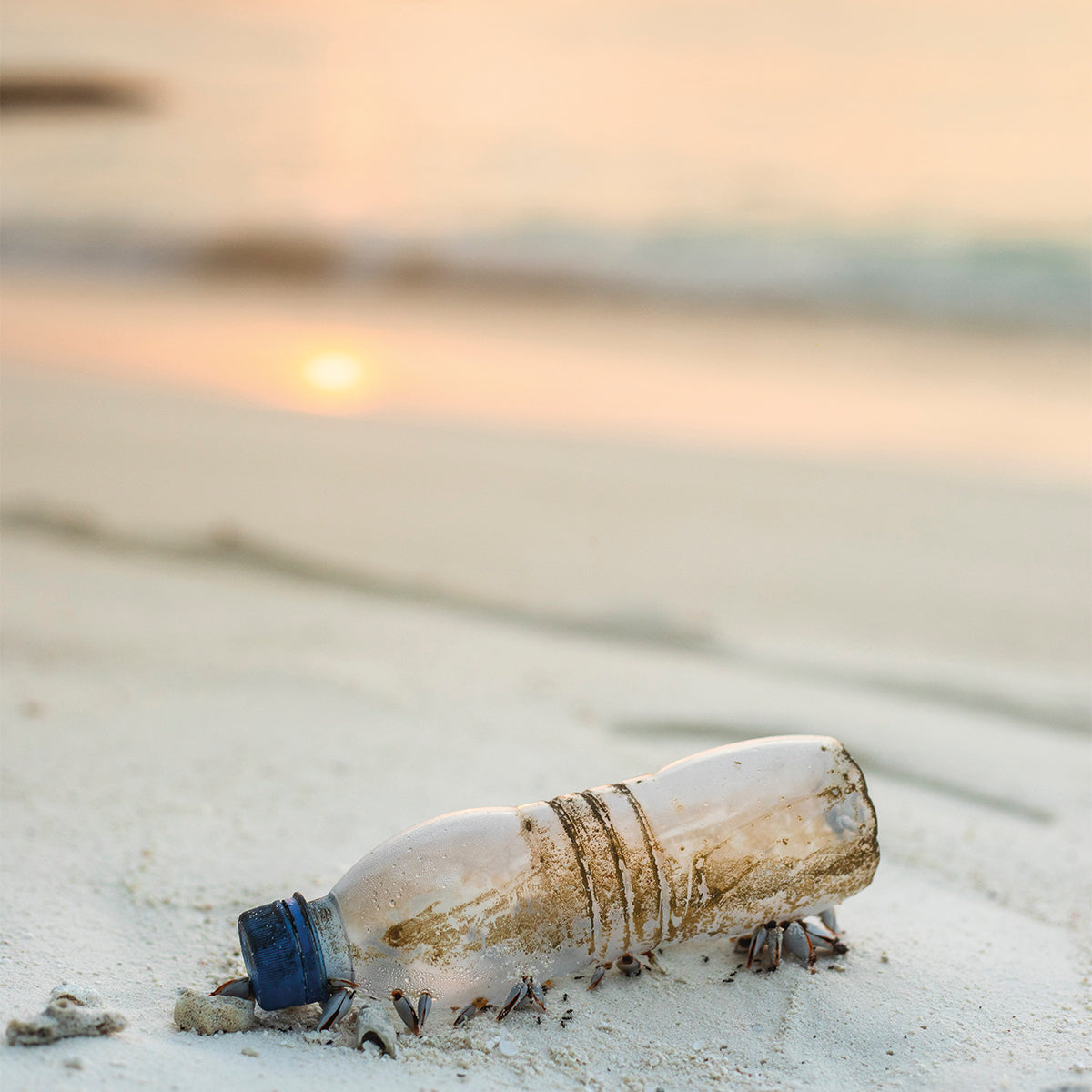
Our rug, REPEAT, is made from rPET, a collected, cleaned, and recycled version of PET (Polyethylene Terephthalate), one of the most commonly used plastics in manufacturing. By using recycled PET, we replace virgin PET with recycled material.
We use wool for its natural qualities, including its durability and suitability for long-lasting products. Wool is a natural animal fibre and is biodegradable under the right conditions. Where our wool products are OEKO-TEX® certified, they have been tested in accordance with the requirements and limit values of the relevant OEKO-TEX® certification for specified harmful substances.
Bamboo is a unique natural plant fibre used across various collections. It represents a different approach to material selection, exploring alternatives beyond conventional fibres.
Our rug, REPEAT, is made from rPET, a collected, cleaned, and recycled version of PET (Polyethylene Terephthalate), one of the most commonly used plastics in manufacturing. By using recycled PET, we replace virgin PET with recycled material.
Material Transparency
Transparency is an important part of how we work with our materials and suppliers. We work to improve our understanding of where our materials come from and how they are produced, using available documentation and certifications to support our material choices. This helps us make more informed decisions and provide customers with clearer information about the materials used in our products.



At Massimo Copenhagen, transparency is an important part of how we approach the environmental aspects of our products. That is why we use Målbar, a digital tool that calculates the CO₂e footprint of our rugs based on the Product Environmental Footprint (PEF) methodology developed by the EU.
Målbar allows us to assess different aspects of a rug’s life cycle, from raw materials and production methods to transport and use, and translate these into a calculated CO₂e value.
For us, these calculations provide valuable insight when evaluating materials and production methods. They help us understand how different choices can influence the calculated environmental footprint of a rug and support us in making more informed decisions when developing our products.
The calculations are currently used as an internal tool and have not been independently verified. For more information about our approach, the materials used in our rugs or the calculations behind them, please contact us.
At Massimo Copenhagen, transparency is an important part of how we approach the environmental aspects of our products. That is why we use Målbar, a digital tool that calculates the CO₂e footprint of our rugs based on the Product Environmental Footprint (PEF) methodology developed by the EU.
Målbar allows us to assess different aspects of a rug’s life cycle, from raw materials and production methods to transport and use, and translate these into a calculated CO₂e value.
For us, these calculations provide valuable insight when evaluating materials and production methods. They help us understand how different choices can influence the calculated environmental footprint of a rug and support us in making more informed decisions when developing our products.
The calculations are currently used as an internal tool and have not been independently verified. For more information about our approach, the materials used in our rugs or the calculations behind them, please contact us.
At Massimo, quality, thoughtful design and transparency are important parts of how we develop our products and work with our suppliers. Our work is supported by certifications and memberships that provide defined requirements and frameworks for different aspects of our business. These include OEKO-TEX®, amfori and CARE & FAIR, as well as our membership of the United Nations Global Compact Network.
Within our supply chain, our suppliers may also hold relevant certifications, standards and audit schemes related to quality, environmental management, social responsibility and material sourcing. These include ISO 9001, ISO 14001, SMETA, SA8000 and GRS. Where relevant, we use information and documentation from these certifications and standards as part of our work with materials, suppliers and production.
We see certifications, standards and memberships as useful tools for establishing clear requirements, supporting transparency and informing our work with suppliers and materials.
Our Production
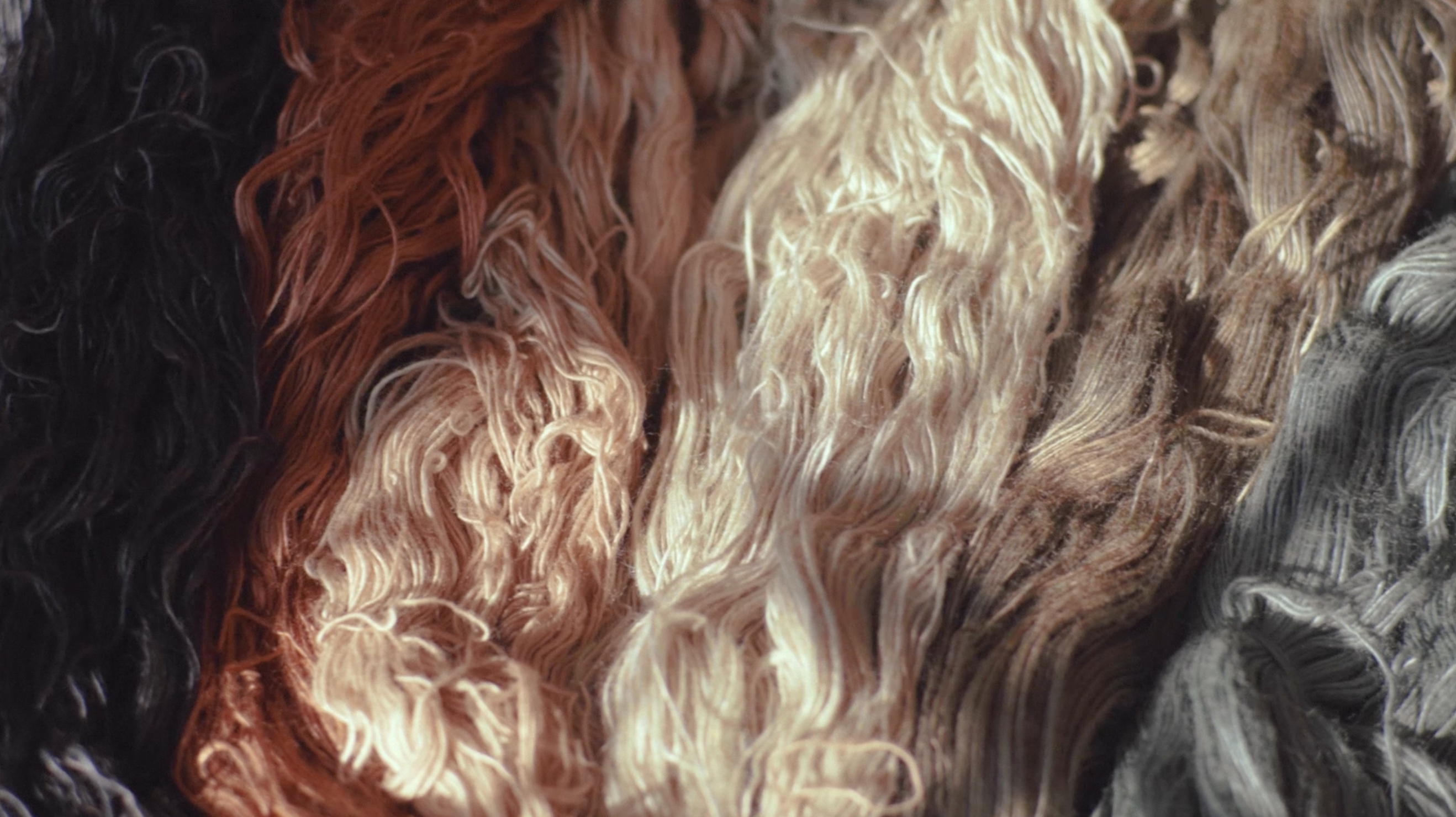
Over the years, we have built strong and trusted relationships with our manufacturers, some of whom have been with us from the very beginning. Together, we conduct thorough quality control at every stage of rug production — from sourcing raw materials to spinning, dyeing, weaving, washing, and finishing. This focus on quality throughout the production process supports our aim of creating rugs designed for long lasting use and making considered choices in terms of quality and durability.
That full control over the process also allows for experimentation with design, materials and techniques regardless of the size of the project. No idea is too small or too big, and that’s the foundation of our many partnerships and collaborations.
Our rug production is based in India, where skills of weavers are passed down from one generation to another, handcrafting textiles renowned worldwide for their quality and intricate artistry. Every process involved in making a massimo rug is manual, which means each rug is one-of-a-kind.
Waste
At Massimo, we also focus on reducing and managing waste across our headquarters, office and warehouse. We prioritize reusing materials like plastics, cardboard and pallets wherever possible. Between Autumn 2023 and Autumn 2024, we managed a total of 1,100 kg of sorted waste, including 170 kg of cardboard and 930 kg of residual combustibles. This waste sorting helps us keep track of the resources we use and identify opportunities to improve how we manage waste as we grow.
We maintain detailed records of our waste to better understand our waste streams and identify areas for improvement. We actively work to minimize waste and reuse materials whenever possible and practical. At the same time, we continuously explore new opportunities to improve our processes and use resources more efficiently.
Our approach to waste management focuses on minimizing waste, increasing recycling and reuse, and improving how we manage resources throughout our operations and supply chain. We continuously review our waste practices to identify opportunities to reduce waste, increase reuse and recycling, and improve resource efficiency across our business.
We work closely with our supply chain to improve how packaging, materials and waste are handled throughout our operations. With clear guidance in place, we focus on recycling and reuse where possible and practical. Our efforts include using recycled materials where relevant, improving waste handling and considering recyclability when selecting packaging and materials.
Transport
At Massimo, we are fully aware that we produce goods, but that doesn’t mean we overlook the circumstances surrounding their handling. That’s why, whenever possible, we consolidate shipments from various producers to ensure we maximize container capacity before dispatching. By waiting to ship until containers are as full as possible, we minimize our environmental impact by avoiding unnecessary waste of space.
The Massimo People
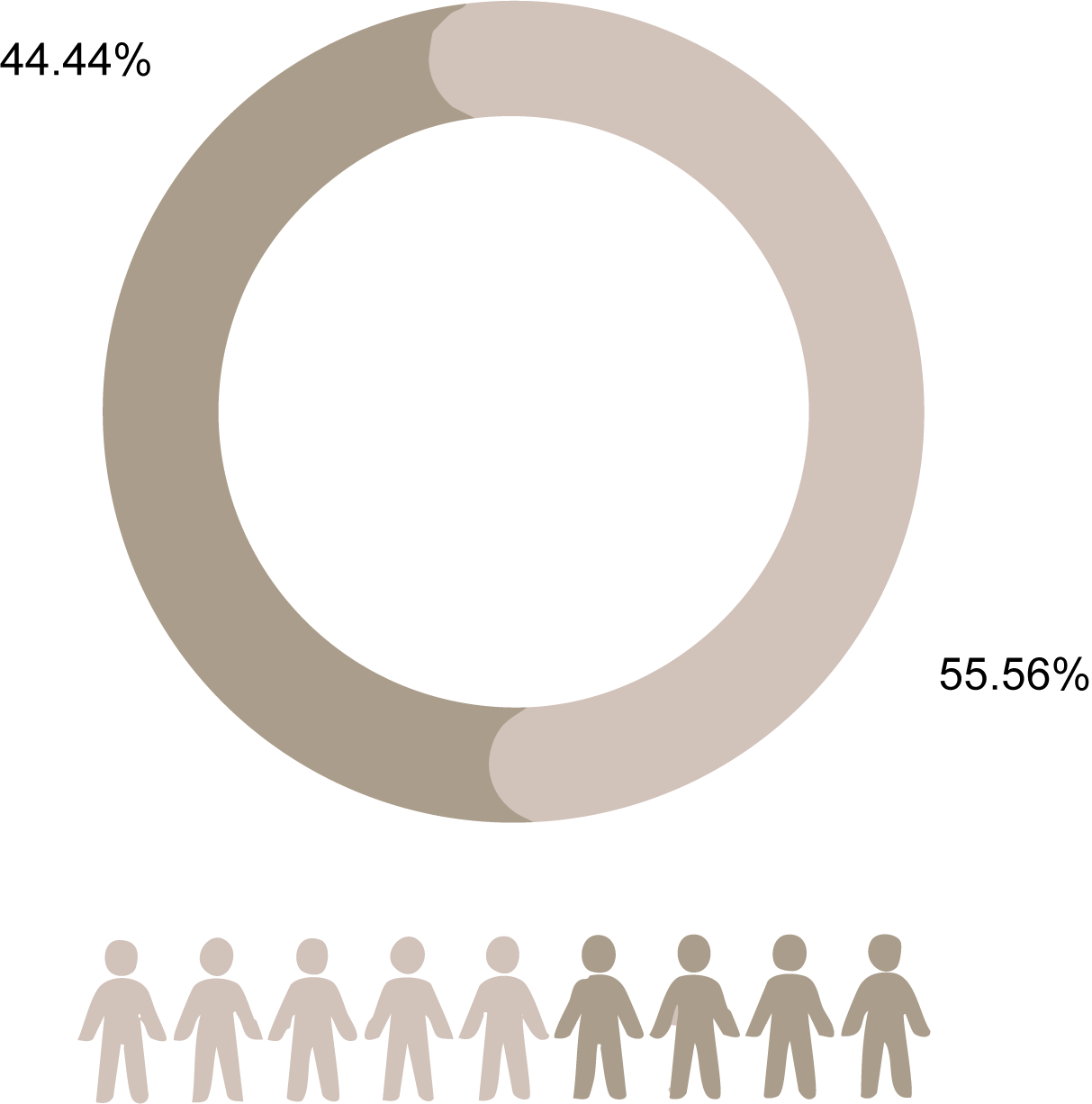
Massimo is a small, yet strong company with a dedicated team, where each employee plays a vital role in keeping the business running and driving positive growth. At Massimo, we prioritize creating a supportive work environment, ensuring the best conditions for the brand, our employees, and all of our partners.
Through our global production network, we ensure that our manufacturing partners operate under conditions that reflect our company values. This approach helps create jobs and foster development for a wide range of people. We place great importance on maintaining transparency in our production processes and regularly visit our partners in India to uphold strong relationships while verifying that the working conditions meet our standards and agreements. This strengthens our collaboration and drives the brand forward in socially responsible directions. Transparency is key to maintaining trust with all of our partners.
Through certifications such as Care and Fair and Amfori, we actively work with organizations to ensure fair and ethical working conditions at our international production sites.
The Future
Striving for Full Transparency
At Massimo, we are constantly evolving, exploring new ideas and looking for ways to further develop our products and ways of working. As we help shape the future, it shapes us in return. We are committed to setting ambitious goals that support the ongoing development of our products, strengthen our knowledge and sharpen our awareness of the choices we make.
With a forward-thinking mindset, we continue to push boundaries in design, materials and production. By setting clear targets and continuously reviewing our progress, we create a foundation for ongoing development and strive to deliver lasting value to our customers.